A heat wave isn’t a reason to put your yoga mat away. It’s a reason to practice on the season’s terms instead of your usual ones. Yoga tradition includes an idea that certain postures and breathing patterns carry cooling qualities (shitali), while others increase heat (ushna). This isn’t poetic language – these activities really do raise your core temperature and heart rate and on an ordinary day this is exactly the point. However, on extremely hot days it simply adds extra work for an already sweating body to regulate itself. The transition doesn’t have to be complex: just choose calm over intensity for now until the heat subsides.
What Ayurveda Already Knew About Summer Practice
Before “seasonal adaptation” became a wellness buzzword, yoga in India was practiced alongside Ayurveda’s Ritucharya practice – seasonal routines designed to keep our internal equilibrium aligned with external climate. For example, during hot months classical texts advocate favouring cooling foods, moderate activity levels, and relaxing breathwork over vigorous exercises which generate heat. This approach informs this guide: when heat waves strike the goal should not be abandoning practice but adapting it in accordance with what your body requires at that moment in time.
Best Cooling Asanas for Hot Weather
These postures are gentle, forward-folding, or restorative in nature — they calm the nervous system rather than stimulate it.
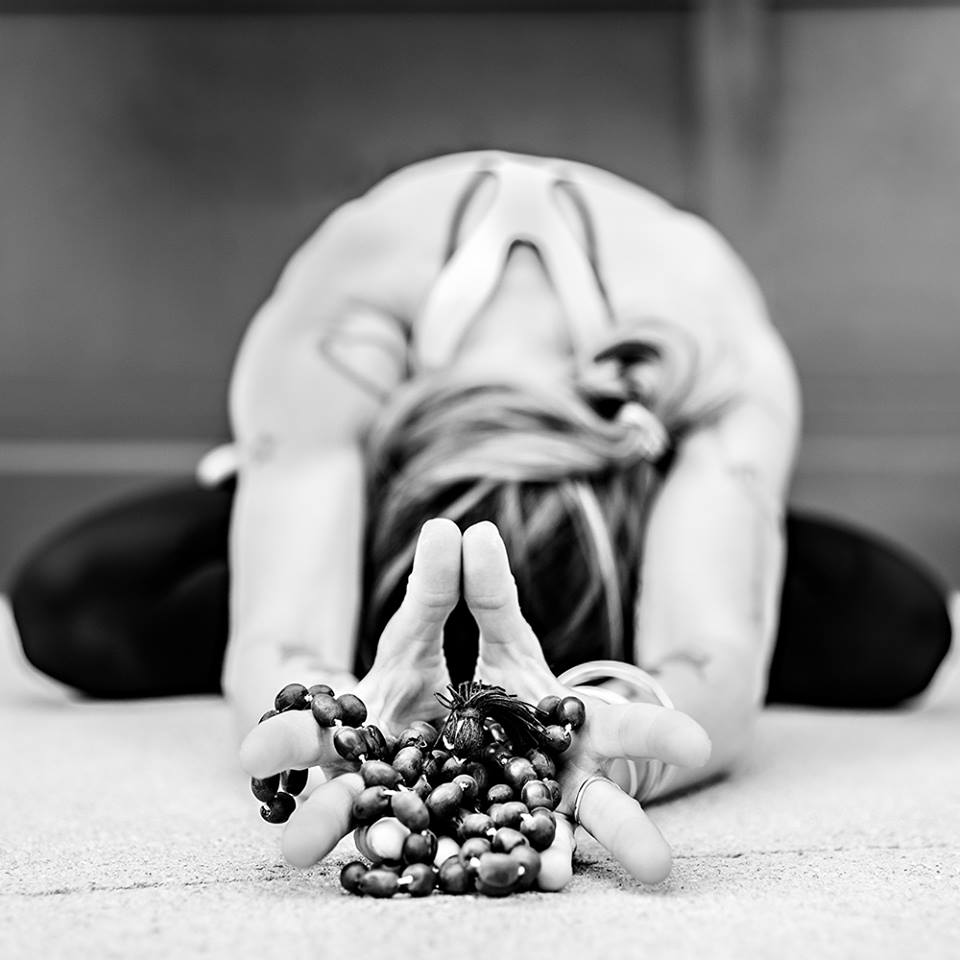
- Balasana (Child’s Pose): Knees wide apart with big toes touching and forehead down – an obvious position yet it works wonders for those in need of some down time.
- Shashankasana (Moon Pose): Similar to Child’s Pose, but with knees together. Historically associated with lunar energy and cooling properties – an excellent counterbalance against summer’s very “suny” vibes!
- Paschimottanasana (Sat Forward Fold): Start with legs extended straight, and fold from hips rather than waist to create this forward fold pose. Forward bends have an incredible calming effect on our nervous systems and can even reduce heart rates in those suffering from anxiety or stress.
- Upavistha Konasana (Wide-Angle Seated Fold): Following the same forward folding logic but with wider stance and deeper fold, Upavistha Konasana provides relief to inner thighs and lower back muscles while the head remaining below heart-level helps create a relaxing environment.
- Viparita Karani (Legs-Up-the-Wall): Simply lie back, legs up the wall, arms loosely at your sides – an effective and relaxing asana to do when heat exhaustion has you feeling powerless to exercise!
- Chandra Namaskar (Moon Salutation): For those who wish to maintain some sense of flow without completely ditching it altogether, Chandra Namaskar provides an alternative. A slower, more grounded cousin of Surya Namaskar built around its cooling, welcoming qualities.
- Shavasana (Corpse Pose): Do not rush this pose in hot weather conditions – allow yourself to fully rest at the end of practice to help bring down both temperature and heart rate back down to baseline.
Breathing Techniques That Actually Cool You Down
If you only take one thing from this article, let it be this: pranayama is probably the fastest tool you have for cooling down from the inside.
- Sitali Pranayama is the classic. Curl your tongue into a tube lengthwise, inhale through it, then close your mouth and exhale through the nose. The sensation is almost immediate — like sipping cool air.
- Sitkari Pranayama does something similar for people who can’t curl their tongue (not everyone can, genetics decide that one). Press the tongue behind closed teeth, inhale with a soft hiss through the teeth, exhale through the nose.
- Chandra Bhedana, left-nostril breathing, taps into that same lunar, cooling association mentioned earlier. Inhale through the left nostril, exhale through the right.
- Nadi Shodhana, alternate nostril breathing, is less about cooling specifically and more about balance — useful on days when the heat is making you feel scattered or irritable rather than just physically hot.
Five to ten rounds of any of these, seated comfortably, is enough. Do it before practice, after practice, or honestly any time during the day when the heat starts getting to you.
Staying Hydrated (Properly, Not Just In Theory)
Everyone knows to drink water in the heat. Fewer people actually do it in a way that helps.
Start before you’re thirsty — thirst is already a lagging signal, not an early one. Sip steadily through the day instead of trying to catch up with one big glass right before class. Water-rich foods pull their weight too; cucumber, watermelon, citrus, that kind of thing, especially on practice days. Coconut water or a simple electrolyte drink can help replace what you lose through sweat, particularly if you’re practicing outdoors or somewhere without air conditioning. And it’s worth going easy on caffeine and alcohol on the worst heat days — both work against you here.
Two more that people tend to forget: practice during the cooler parts of the day if you can, early morning or evening rather than 2 p.m., and wear something light and breathable. It sounds obvious until you’re standing in a heavy cotton tee wondering why you feel awful.