 The importance of breath in the spirit of yoga cannot be overstated. In fact, the practice of yoga is often referred to as “the union of breath and movement.” Breath is considered the life force energy that flows through our bodies, and it has a profound impact on our physical, mental, and emotional well-being.
In yoga, the breath is seen as a bridge between the body and the mind. By bringing conscious awareness to our breath, we can create a state of balance and harmony within ourselves. This is because the breath has the power to calm our nervous system, reduce stress, and increase our overall sense of well-being.
One of the main goals of yoga is to cultivate a state of mindfulness and presence. By focusing on the breath during our practice, we can bring our attention into the present moment and allow our thoughts to naturally quiet down. This can help to reduce anxiety and bring a sense of calm and clarity to the mind.
In addition to its mental and emotional benefits, the breath also plays a crucial role in our physical practice of yoga. It helps to create a flow of energy throughout the body, allowing us to move with greater ease and grace. By coordinating our breath with our movements, we can enhance our strength, flexibility, and balance.
The breath also serves as a tool for self-awareness and self-regulation. By paying attention to the quality of our breath, we can gain insights into our physical and emotional state. For example, shallow and rapid breaths may indicate that we are feeling stressed or anxious, while slow and deep breaths may indicate a state of relaxation and calmness.
Furthermore, the breath can be used as a tool to release tension and release stagnant energy in the body. Through specific breathing techniques, such as deep belly breathing or alternate nostril breathing, we can activate our parasympathetic nervous system, which promotes relaxation and restorative processes in the body.
To deepen your connection with the spirit of yoga, it is essential to cultivate a mindful and conscious relationship with your breath. Here are a few tips to help you do so:
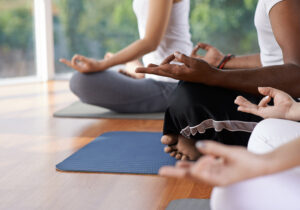
1. Begin each practice with a few moments of focused breathing. Take a seat in a comfortable position and close your eyes. Bring your attention to your breath as it flows in and out of your body. Notice the quality of your breath and any sensations that arise. Allow yourself to fully immerse in the present moment through the rhythm of your breath.
2. Practice breath awareness during asanas. While moving through different yoga poses, pay attention to your breath. Coordinate your movements with your breath, inhaling as you lengthen or expand and exhaling as you fold or contract. This synchronicity between breath and movement will not only enhance the physical benefits of your practice but also deepen your connection to the present moment.
3. Explore pranayama techniques. Pranayama, or breath control, is an integral part of yoga. There are various pranayama techniques that can help you regulate and deepen your breath. Some popular pranayama techniques include deep belly breathing, alternate nostril breathing, and breath retention. Take the time to explore and practice these techniques, gradually incorporating them into your yoga routine. They can help you cultivate a sense of calmness, balance, and clarity.
4. Incorporate breath work into your meditation practice. Just as the breath is central to yoga asanas, it is also an essential component of meditation. During meditation, focus on your breath as an anchor to the present moment. Observe the natural rhythm of your breath without trying to control or manipulate it. This can help calm the mind and increase your ability to stay present and focused.
5. Practice breath work off the mat. Yoga is not just about what happens on the mat, but how we integrate its principles into our daily lives. Take moments throughout the day to pause and reconnect with your breath. It can be as simple as taking a few deep breaths before a meeting or during a stressful situation. This can help you find a sense of calm and clarity amidst the busyness of life.
Remember, the breath is always accessible to us, serving as a constant reminder to come back to the present moment. By cultivating a mindful and conscious relationship with our breath, we can enhance our yoga practice and bring more balance and harmony into our lives. So take a deep breath, and let the journey of yoga begin.