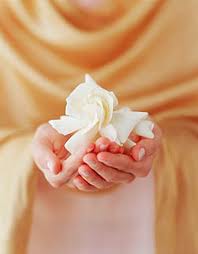
 ” Be like a lotus. Let the beauty of your heart speak. Be grateful to the mud, water, air and the light: – Amrit Ray
From the murky depths of muddy waters, a pristine and beautiful flower emerges, untouched by the dirt from which it grows. This is the profound journey of the lotus flower, a timeless symbol revered across cultures for its incredible beauty and deep spiritual significance. More than just a plant, the lotus represents the journey of the soul—from the darkness of worldly suffering to the light of wisdom and enlightenment. If you’ve ever felt drawn to its serene petals, you’re tapping into a powerful emblem of purity, resilience, and rebirth.
The Core Symbolism of the Lotus Flower
The lotus flower’s most powerful meaning comes from its life cycle. It is a daily miracle of nature. Its roots are latched in mud, it submerges every night into murky river water, and—undeterred—it miraculously re-blooms the next morning, sparklingly clean. This journey has made it a potent symbol of several core concepts.
- Purity: Despite its muddy origins, the lotus blossom remains pure and unstained. This represents the purity of the heart and mind, and the ability to remain virtuous in a world filled with temptation and suffering.
- Spiritual Awakening and Enlightenment: The opening of the lotus petals symbolizes the awakening of the soul and the expansion of consciousness. It is a visual metaphor for attaining spiritual enlightenment and reaching a state of higher awareness.
- Rebirth and Renewal: The daily cycle of closing at night, sinking underwater, and rising again in the morning is a powerful symbol of rebirth, resurrection, and the promise of a new beginning. It teaches us that we can overcome adversity and start anew each day.
- Resilience and Strength: The ability of the lotus flower to push through thick mud to reach the light and air demonstrates immense strength, determination, and resilience. It is a reminder of our own inner power to overcome life’s challenges.
What Makes the Lotus Flower So Special?
Beyond its profound symbolism, the lotus flower (Nelumbo nucifera) is a botanical marvel. Its unique ability to rise from the mud unstained is due to the waxy, protective layer on its petals, which repels dirt and water. This natural phenomenon is known known as the “lotus effect,” The plant’s daily cycle of retracting into the water at night and re-emerging in the sun is a process called nyctinasty, which adds to its mystique.
The significance of the lotus flower is not just in its spiritual meaning but also in its ability to inspire peace and tranquillity through its sheer beauty. It’s perfectly symmetrical petals and serene presence have a calming effect on the mind, making it a focal point in meditation gardens and sacred art worldwide. It embodies a quiet, unwavering grace that is truly special.
The Significance of the Lotus Flower in Different Cultures
The reverence for the lotus spans continents and millennia, with each culture adding a unique layer to its symbolic meaning. Understanding these perspectives deepens our appreciation for this sacred flower.
In Buddhism
In Buddhism, the lotus is one of the most significant symbols. It represents the purity of the body, speech, and mind, floating above the muddy waters of attachment and desire. The Buddha is often depicted seated on a lotus throne, symbolizing his enlightened state. A closed bud represents the time before enlightenment, while a fully bloomed lotus signifies having achieved it. The symbolic meaning of the lotus flower here is a direct parallel to the spiritual journey of an individual.
In Hinduism
In Hinduism, the lotus, or ‘Padma’, is associated with divinity, fertility, prosperity, and beauty. The goddess Lakshmi, who presides over wealth and good fortune, is almost always shown with a pink lotus. The creator god, Brahma, is said to have been born from a lotus that emerged from the navel of Vishnu. Furthermore, the body’s energy centres, or chakras, are often visualized as lotuses, with the crown chakra, Sahasrara, depicted as a “thousand-petaled lotus” representing the pinnacle of spiritual connection.
The Meaning of Lotus Flower Colours
The colour of a lotus adds another layer of meaning to its symbolism. Each hue corresponds to a different aspect of the spiritual journey, offering a more nuanced understanding of its message.
- White Lotus: Represents purity of mind, serenity, and spiritual perfection. It is often called the “Womb of the World” and is connected to a state of complete mental clarity.
- Pink Lotus: Considered the supreme lotus, it is reserved for the highest deities in Hinduism and is the truest representation of the Buddha. It symbolizes love, compassion, and the heart’s true nature.
- Red Lotus: This lotus is associated with the qualities of the heart. It symbolizes love, passion, compassion, and generosity. It is a flower of pure, selfless love.
- Blue Lotus: A symbol of the victory of the spirit over the senses. It represents wisdom, knowledge, and intelligence. It is always depicted as partially open, signifying that the pursuit of knowledge is never-ending.
- Purple Lotus: Often associated with mysticism and esoteric traditions. Its eight petals are representative of the Noble Eightfold Path of Buddhism, a key principle for achieving spiritual awakening.
Published on Lotus Flower Meaning & Symbolism: Complete Guide to Spiritual Significance