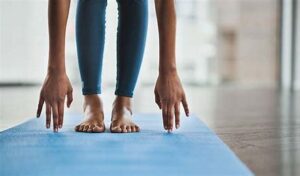
 The importance of transitions is often underrated both in a yoga class and in life. But in yoga, transitions serve an important purpose. Their job is to get a yoga practitioner from one pose to another. The goal is to transition safely between poses. Smooth and safe transitions help students maintain their breath to movement with each posture, keeping the student in a meditative movement.
Transition poses, also known as vinyasas, play a crucial role in creating a seamless flow in your yoga practice. These poses act as a bridge between different asanas, allowing for a smooth transition from one pose to another. Understanding transitional poses is essential for achieving a harmonious and graceful yoga sequence.
In yoga, a flowing sequence refers to a series of asanas that are connected through transitional poses. The word “vinyasa” is derived from the Sanskrit term meaning “to place in a special way.” It emphasizes the intentional and mindful movement between poses, creating a continuous and fluid practice.
Transitions can go above and beyond and be used to foreshadow a posture later in class or to cement the theme of a class if you have one. For example, focusing on using your core as you flow from high plank to down dog, could help later when trying a forearm stand that you are playing with getting into from a wide leg forward fold where you would use your core in a similar way. Drawing attention to the movement helps support the yoga student and the foreshadowing also provides comfort to the brain once they try on a new pose.
Transitions help return the body to neutral alignment. Safe transitions should go through neutral as a general rule because it reduces the chance of injury, and it also helps with balance. This reset of alignment also helps reset the student physically as well as energetically. If a transition feels unstable, insert a pose as a transition to help support you and your students.
To master the art of crafting a seamless yoga sequence flow, follow these key tips:
1. Focus on Alignment: Pay attention to proper alignment in each pose, ensuring that your body is in the correct position to transition smoothly.
2. Integrate Breath and Movement: Coordinate your breath with each movement, inhaling and exhaling consciously as you transition between poses. This synchronicity enhances the flow and rhythm of your practice.
3. Practice Transitions Mindfully: Slow down and approach each transition with mindfulness. Allow yourself to fully experience the journey from one pose to another, maintaining awareness of your body and breath.
4. Build Strength and Flexibility: Strengthen your muscles and increase your flexibility through regular practice. This will enable you to execute transitions with ease and grace.
Published on Master the Art of Yoga Transition Poses for a Seamless Flow